SLAB & SETTLEMENT REPAIR · OMAHA, NE
Slab & Settlement Repair in Omaha, NE
Sunken driveway, patio, or slab? We connect you with local contractors who level it back to grade by mudjacking.
Call (402) 545-6851Omaha Foundation Repair operates this website and connects local customers with local contractors. We don’t do the work ourselves and we don’t check any contractor’s qualifications, so confirming that is up to you before you hire.
Request sent
A local contractor will reach out shortly. Watch for a call from an unknown number.
Not every Omaha settlement problem is the main foundation, sunken driveways, patios, garage floors, and interior slabs settle when the clay shrinks or washes out beneath them. We operate this website and connect homeowners in Omaha with independent local foundation repair contractors who raise settled slabs back to grade by mudjacking, pumping a slurry beneath the slab to fill the void and lift it, or by polyurethane foam. It reuses the existing concrete, costs a fraction of replacement, and is usable almost immediately, the practical fix for a sunken but sound slab.
Lift, don't replace
A sunken but sound slab doesn't need tearing out. Mudjacking fills the void and raises it back to grade for a fraction of replacement.
Slabs raised by mudjacking or foam, usable almost at once.
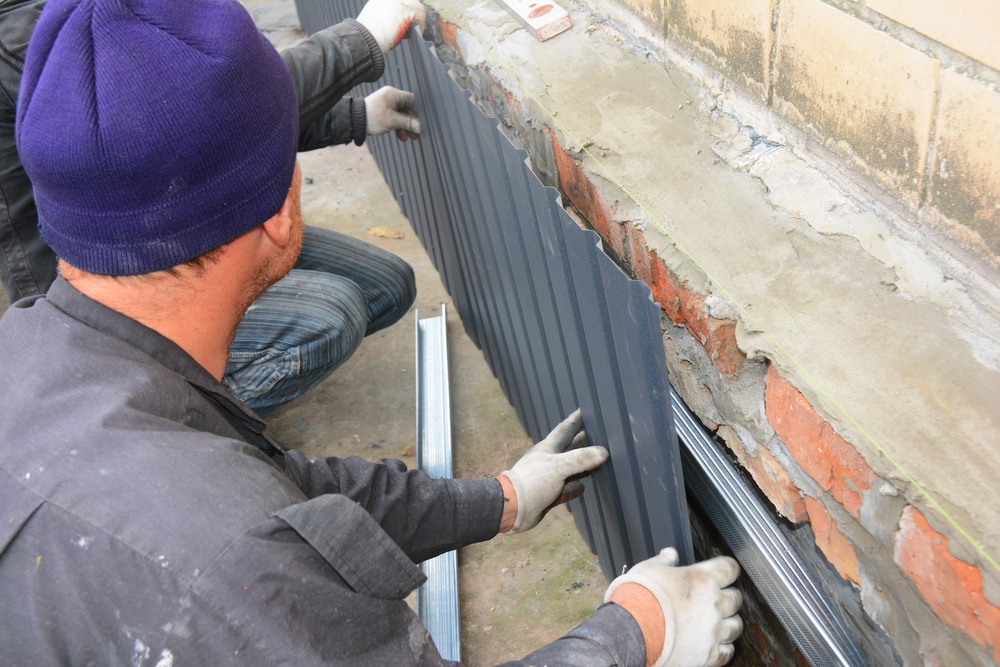
Address the void's cause
A leveled slab lasts when the drainage is handled too. We connect you with Omaha contractors who raise the slab and flag the cause.
Leveling sunken slabs
Not every Omaha settlement problem is the main foundation. Driveways, patios, garage floors, sidewalks, and interior slabs sit on grade, and when the expansive clay beneath them shrinks or washes out, they sink, leaving trip edges, poor drainage, and cracks. The slab itself is generally sound; it has just lost its support.
A good Omaha contractor raises the settled slab by mudjacking, pumping a cement-based slurry through small holes into the void beneath to fill it and float the slab back to grade, or by polyurethane foam, which is lighter and cures fast. Both approaches save the concrete you have and run far less than tear-out, and is usable almost immediately.
As with any settlement, the lasting fix also means addressing the water and drainage that let the void form. A good contractor levels the slab and points out the drainage cause where relevant. Confirming a contractor's credentials, insurance, and licensing is on you before any work.
Why professional repair beats DIY
Whenever an Omaha homeowner faces a foundation problem, the real decision is between a proper engineered repair and a shortcut, and the gap between them is wide. Ignoring it is the most pricey path of all: the expansive clay and the winter frost keep working, so the issue always advances, and a crack that could have been sealed becomes a bowing wall, and minor settlement becomes a structural failure costing many times more. Cosmetic patching, filling a crack while the movement behind it continues, hides the symptom as the foundation keeps shifting, so the crack reopens and the real trouble grows out of sight. A handyman or general contractor without foundation engineering courts the same outcome, a remedy that looks finished but never touches the soil. A qualified foundation contractor, by contrast, diagnoses the real cause, engineers the proper solution, piers to stable soil for settlement, anchors or bracing for bowing walls, drainage for the water, and installs it to last, with the permits the work requires. On Omaha's clay and frost specifically, local experience matters: a contractor who knows this ground picks the method that suits it and drives piers deep enough to clear the frost line and reach soil that holds. For a problem this structural and this relentless, what separates a real repair from a cheap patch is what separates a permanent fix from a problem that returns bigger every year.
Foundation problems in the Omaha area
What makes foundation problems so common across the Omaha area comes down to the ground the metro is built on and the climate that works it. Eastern Nebraska and western Iowa sit on clay-rich soils, wind-blown loess and glacial deposits shaped by the Missouri River valley, and the clay-rich layers swell and shrink with moisture. It swells with real force when it takes on water from spring rain, snowmelt, and poor drainage, pushing inward and upward on foundation walls and footings, and it shrinks hard through the hot, dry summers, pulling support out from under foundations. On top of that swell-shrink cycle, Omaha's hard winters drive frost deep into the ground, and frost heave lifts and drops foundations season after season, a factor milder regions never face this severely. The metro's older housing, especially the pre-code homes in Omaha's established neighborhoods, was commonly built in ways that leave it more exposed to this movement. Clogged gutters, downspouts at the foundation, lots graded toward the house, and moisture-drawing trees all feed more water to the clay and speed the damage. None of it means a home is beyond help, most foundation problems are fixable by stabilizing the structure and controlling the water, but across the Omaha area, a foundation showing cracks, sticking doors, or a bowing wall should be treated as the soil-and-frost movement problem it is and addressed before it advances.
Why a local contractor matters
There is a real advantage to hiring a foundation repair contractor who knows Omaha, since foundation work here is governed by the specific soil and climate under the region. A contractor who works this area understands the expansive clay of loess, glacial deposits, and river-valley sediments, how forcefully it swells and shrinks with the wet spring and dry summer, and, just as important, how deep Omaha's winter frost drives and how frost heave adds to the movement, in a way an out-of-town crew does not. They know the older homes in the city's established neighborhoods and how their aging block and poured walls respond, they know how deep the piers must go to clear the frost line and reach soil that actually holds, and they know that controlling the water is not optional on this clay. That knowledge sharpens the diagnosis: they can distinguish settlement from a bowing wall from a water problem and prescribe the proper method or combination rather than a generic fix. A local contractor also knows the permitting and engineer-letter requirements across the Omaha metro's cities and counties and handles them, and an established one is reachable if a question comes up. Foundation repair is not where you want to economize on someone who does not understand this soil and this frost, since a remedy that ignores how the clay moves and how deep the ground freezes will not hold, and the issue comes back.
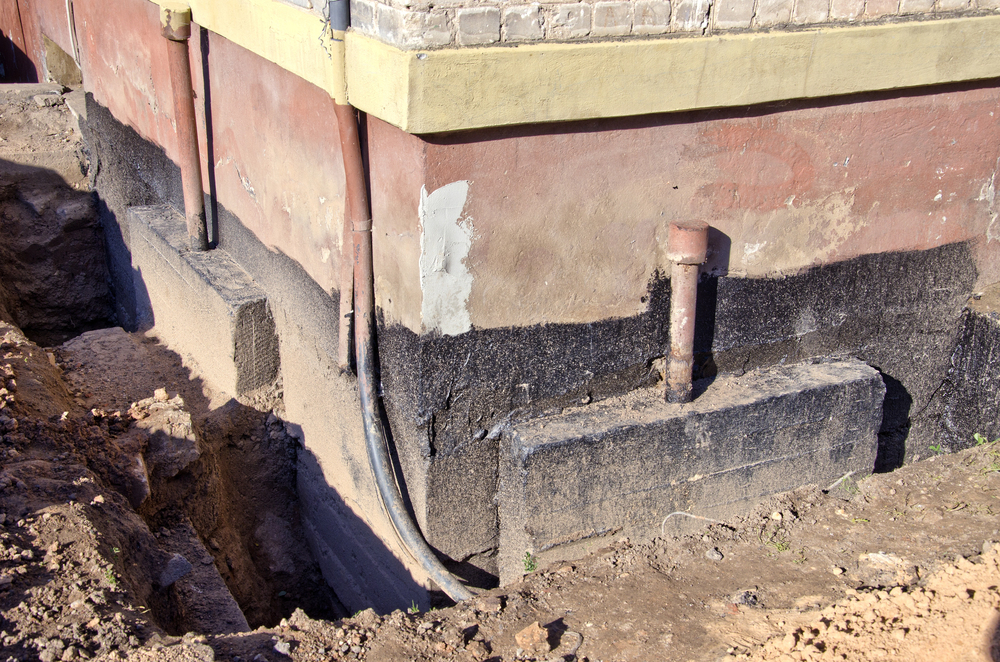
How foundation repair works
Foundation repair in Omaha runs through a clear, engineered sequence, and knowing it helps a homeowner understand what is coming. It opens with a thorough inspection and diagnosis: the contractor studies the cracks, walls, floors, and footings, evaluates the soil, the frost exposure, and the drainage, and pinpoints what is driving the movement and how far it has gone. That yields an engineered plan, and since many jobs across the Omaha metro require permits and sometimes an engineer's letter, a good contractor takes that on. For settlement, the crew excavates at the pier points, drives steel push or helical piers through the unstable clay down to load-bearing soil or bedrock, and transfers the home's weight onto them, stabilizing the foundation and commonly lifting it back toward level. For a bowing wall, they set anchors out to stable soil in the yard, or steel braces or carbon fiber where anchors will not fit, and tension them to stop and commonly reverse the lean. Cracks are sealed and reinforced. Where water is part of the issue, they add interior drainage, a sump pump, and exterior grading fixes. Utility locates are called before any digging, work areas are protected, and the site is backfilled and rough-graded when finished. Ask any contractor for its warranty terms in writing. Confirming a contractor's credentials, insurance, and licensing is on you before any work.
What slab & settlement repair costs in Omaha
The cost of foundation repair in Omaha ranges widely, since the issue and its fix differ from one house to the next, and an honest contractor quotes only after inspecting the foundation. The method sets the range: sealing a crack is a small job, stabilizing a bowing wall with anchors or carbon fiber is a bigger one, and underpinning a settling foundation with a series of steel piers driven to load-bearing soil is a full structural project. The number of piers or anchors, how deep they have to go to reach soil that holds, and how much of the foundation has moved all move the figure, as does access, interior work versus outdoor excavation. Adding basement waterproofing or drainage to control the water feeding the clay costs more but is commonly what makes the repair last. Permits and, where required, an engineer's letter factor in too. Given that spread, the real first step is not a ballpark number but getting a qualified contractor to inspect and pin down the true cause, then scope the proper fix. Foundation repair is a considerable investment, but it protects the biggest one most Omaha families own, and catching it early keeps a modest repair from becoming a structural overhaul. Get the scope and price in writing.

Encapsulate, or do less: which you need
With an Omaha foundation, the question is almost never whether to repair, but how, since a foundation problem does not heal itself, the clay keeps cycling and the frost keeps heaving, so the damage only advances. The correct method follows the diagnosis. For a settling or sinking foundation, steel push piers or helical piers are driven through the unstable clay down to load-bearing soil or bedrock and the home's weight is transferred onto them, which permanently halts the settlement and can commonly lift the foundation back toward level. For a bowing or leaning wall, wall anchors, steel braces, or carbon fiber straps stabilize it against the clay's inward pressure and, where possible, straighten it. For cracks, epoxy or urethane sealing plus carbon fiber reinforcement stops water and movement. And for the water that powers the whole cycle, interior drainage, a sump pump, and grading and downspout corrections take the moisture away from the clay. Most Omaha homes with foundation issues need more than one of these together. The one thing that is never optional is dealing with the cause: a repair that braces the structure but ignores the drainage lets the clay keep working. A good Omaha contractor diagnoses the real cause and recommends the proper combination.
How a proper assessment works
No Omaha foundation job should begin without a proper inspection, since the correct repair depends entirely on what the soil is doing and how the house has taken it. A qualified contractor reads the whole story: the direction and pattern of the cracks, whether a wall is bowing and how far, whether floors slope or doors bind, the state of the footings, and, critically, how water is getting to the foundation through grading, gutters, and downspouts. On Omaha's older homes, many in neighborhoods that predate modern foundation practice, they weigh outdated construction and aging block and poured walls. The diagnosis drives everything, since the solutions diverge: settlement calls for piers driven to stable soil, a bowing wall calls for anchors, braces, or carbon fiber, an active crack calls for sealing and reinforcement, and a wet basement calls for drainage and waterproofing, and plenty of homes need a combination. A more severely bowed wall needs a different answer than a slight lean. A contractor worth trusting inspects thoroughly, explains exactly what the clay and the frost are doing and why, and prescribes the proper method rather than a stock product, and since many jobs across the Omaha metro require permits and sometimes an engineer's letter, a good one handles that too.
Why foundation problems cannot wait
An Omaha foundation problem is worth handling promptly, since it only worsens and waiting gets pricey. Foundation damage is progressive by nature: the expansive clay keeps swelling and shrinking and the frost keeps heaving, so a hairline crack widens, a slightly leaning wall bows further, and minor settlement turns major. Pushed far enough, a bowing wall can fail structurally and a settling foundation can drop enough to threaten the whole home, both far costlier than the early-stage repair would have been. Water compounds it: cracks admit moisture that feeds basement mold and mildew, and on a bowing wall the hydrostatic pressure keeps pushing. The familiar signs, sticking doors and windows, stair-step cracks, sloping floors, are the house reporting that the ground has moved, and they are precisely what a home inspector and a buyer will flag, so an unrepaired foundation drags down resale value and can stall a sale outright. There is nothing to gain by waiting; the clay and the frost do not pause, and the repair does not get cheaper. Catching a foundation problem while it is still minor, stabilizing it and steering the water away before it progresses, is what keeps a manageable job from becoming a structural emergency. For any Omaha home showing the signs, acting early protects both the structure and its value.
The structural safety of your foundation
A failing foundation is, in the end, a structural safety problem, which is what makes Omaha foundation repair far more than cosmetic. The foundation bears the whole weight of the house, so when the expansive clay and the winter frost make it settle, crack, or bow, everything above is affected, that is why doors and windows jam, floors tilt, and cracks climb the walls. Left alone, a badly bowing basement wall can buckle and give way, and serious settlement can undermine the structural integrity of the home, real hazards rather than mere annoyances. Water deepens the danger and brings its own: moisture seeping through foundation cracks feeds mold and mildew that degrade indoor air, and a chronically wet Omaha basement is both a health and a structural concern. The signs are the home warning you, and they should not be brushed off. A qualified foundation contractor evaluates the structural condition, gauges how far the movement has gone, and stabilizes the foundation properly with piers, anchors, or bracing as the case requires, so the structure is sound again. For families, and for anyone protecting their largest asset, addressing foundation problems is about keeping the home structurally safe, which is exactly what a real repair restores.
Serving Omaha and nearby
This service is available across Omaha and the adjacent area, including West Omaha Dundee Benson Millard. It pairs naturally with our other foundation repair services, and you can always start on the Omaha Foundation Repair home page.
How to get started with slab & settlement repair in Omaha
The whole process begins with a short conversation, and there's no commitment until you've talked it through. Tell us what is going on with your foundation, the cracks, sticking doors, a bowing wall, or settlement, and we'll connect you with a local contractor who works Omaha-area properties and handles slab & settlement repair. They will inspect the foundation, evaluate the cause in the clay, answer your questions, and give you a real quote, not a range off a website. From there, the decision is entirely yours.
Foundation repair is work you want done right and done once, so it is worth doing with a contractor who works locally and puts the scope, price, and any warranty terms in writing. Confirming a contractor's credentials, insurance, and warranty terms is your responsibility as the property owner, so ask for it directly and verify it before you hire, and get the assessment and price in writing before any work or deposit. A reputable contractor won't mind you checking and won't pressure you to decide on the spot. Whenever you're ready to talk through slab & settlement repair for your Omaha property, a quick call to (402) 545-6851 is all it takes to start.
Questions about slab & settlement repair
Is this available across Omaha?
Yes. We connect homeowners across Omaha and the adjacent metro with local foundation repair contractors who manage slab & settlement repair.
How do I get started?
The quickest way is a call. Tell us what you're seeing, cracks, sticking doors, a bowing wall, and a local contractor can arrange an inspection and diagnosis. There's no commitment until you've had it looked at.
What's the difference between mudjacking and foam?
Both fill the void under a sunken slab and lift it. Mudjacking forces cement-based slurry through drilled holes, while foam injects through smaller holes and cures in minutes. A contractor recommends based on the slab.
Is my slab a candidate for leveling?
Most slabs that sank but stayed intact can be raised. Concrete that's badly broken up may be better replaced. A contractor tells you honestly which applies after looking at it.
Does foundation repair come with a warranty?
Many contractors offer warranties on structural repairs, but terms vary and we do not provide or back any warranty. Ask for the warranty terms in writing before any work.
Do you actually do the work?
We operate this website and connect Omaha homeowners with independent local foundation repair contractors. We do not perform the work ourselves, and confirming a contractor's insurance, licensing, and credentials is up to you before you hire.
How much does foundation repair cost in Omaha?
It ranges widely with the issue and the fix, from sealing a crack to underpinning a settling foundation with a series of steel piers, so real numbers come only after a contractor inspects the foundation. What matters more than a ballpark is getting a qualified contractor to evaluate the real cause and scope the proper repair. Ask for the scope and price in writing, and remember that catching it early keeps a modest repair from becoming a structural one.
Get a quote for slab & settlement repair in Omaha
Talk to a local contractor about your property and get a straight answer on next steps and cost.
Call (402) 545-6851Disclaimer: Omaha Foundation Repair operates this website and connects homeowners and businesses in Omaha with independent local foundation repair contractors. We are not a foundation repair contractor, do not perform, supervise, or warrant any foundation repair work, and are not a party to any agreement you make with a contractor. We do not verify or confirm any contractor's insurance, licensing, or credentials; confirming those is your responsibility as the end client. Calls placed through this site may be routed to an available local contractor. We accept no liability for any contractor's work, materials, conduct, or business practices. As a general note of caution, be wary of anyone demanding a large upfront deposit before any work or materials are scheduled, and get the full scope and price in writing before you commit. Any indemnification and all matters arising from use of this website are governed by the laws of Nebraska.